
Views: 0 Author: Site Editor Publish Time: 2026-07-22 Origin: Site


High-temperature processes deplete chromium at the surface of a Stainless steel seamless pipe. This reaction creates a dark oxide layer known as scale. It severely compromises the natural corrosion resistance of the metal. Fabricators and procurement teams face a critical choice in their supply chain. They must select the correct descaling and passivation method for their specific applications. The chosen technique must restore the passive layer effectively. It cannot alter pipe dimensions, violate strict environmental regulations, or slow down production timelines. You also want to avoid incurring unnecessary processing costs during fabrication. This article provides an objective comparison of chemical versus mechanical scale removal methods. We will focus strictly on industrial implementation, quality assurance, and compliance with standards like ASTM A380. You will learn how to match the right method to your specific engineering requirements and ensure long-term system integrity.
Chemical pickling remains the industry standard for complete, uniform scale removal, resulting in the standard AP (Annealed and Pickled) finish.
Mechanical methods avoid hazardous chemicals but introduce risks of surface contamination and uneven wall thickness.
Selecting the right method depends heavily on pipe geometry, volume, and end-use compliance (e.g., sanitary vs. structural).
Improper descaling—such as over-pickling or using contaminated abrasives—can cause irreversible pitting or structural degradation.
Manufacturing processes often require extreme heat to achieve desired metallurgical properties. Heating cycles, specifically those yielding an annealed 316L seamless pipe, trigger severe surface oxidation. The metal interacts rapidly with atmospheric oxygen at elevated temperatures. This interaction creates a thick, tenacious oxide scale on both the exterior and interior walls. The high temperature pulls chromium from the underlying base material to form this dark crust. Consequently, a chromium-depleted zone forms directly beneath the visible scale. You cannot rely on this compromised surface for protection. The structural integrity depends entirely on high chromium content, which is now missing.
Untreated scale introduces massive failure risks into piping systems across various industries. First, consider corrosion initiation. Oxide scale is highly porous and structurally weak. It traps moisture, atmospheric chlorides, and process chemicals easily. These trapped elements act as an electrolyte. They lead directly to rapid, localized galvanic corrosion. The material degradation compromises the pressure ratings of the entire system.
Second, look at downstream contamination. Scale lacks true adhesion to the base metal. It often flakes off during high-velocity fluid transfer. These hard metallic flakes travel through the system freely. They damage downstream pump impellers, clog fine filters, and ruin sensitive valve seats. Furthermore, they contaminate high-purity pharmaceutical or chemical batches.
Your goal goes beyond mere visual cleaning. You must achieve the complete removal of the chromium-depleted layer. Exposing pure, unaffected base metal allows natural passivation to occur. The pipe then regains its protective, invisible chromium-oxide film.
Chemical pickling utilizes highly aggressive mixed acid solutions to strip the metal. Facilities typically combine nitric acid and hydrofluoric acid for optimal results. This specific mixture aggressively attacks and dissolves the dark oxide scale. Crucially, the acids also strip away the underlying chromium-depleted layer simultaneously. The chemical mechanism ensures you reach the uncompromised base metal beneath the damage.
Engineers use several process variations based on project size, part geometry, and installation status. Proper selection maximizes efficiency.
Submersion baths: Operators dip entire bulk pipe lengths into large, temperature-controlled acid vats. This guarantees uniform contact time across the entire pipe surface.
Circulation: Technicians pump acid solutions directly through fully installed, closed-loop systems. This flushes internal scales from complex piping networks safely.
Pickling pastes and gels: Welders apply these highly viscous chemicals directly to localized weld seams. The gel stays in place on vertical surfaces without dripping.
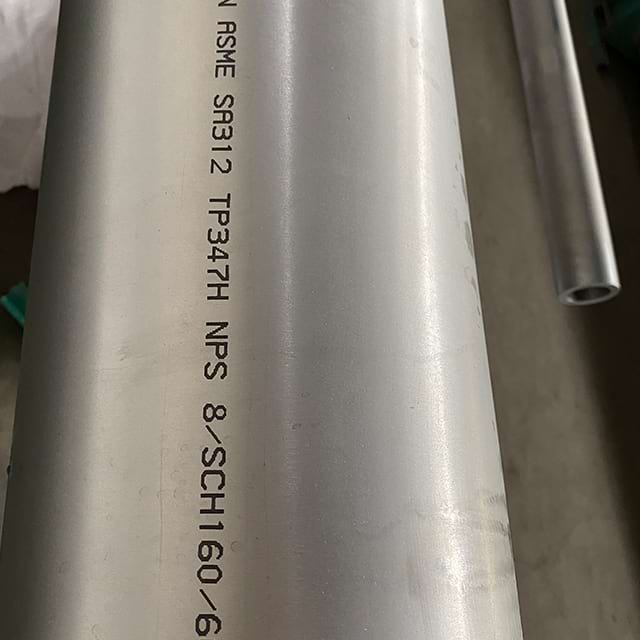
This aggressive chemical treatment produces a highly dependable and uniform product. The commercial outcome is a pristine pickled seamless pipe. Procurement teams universally recognize this standard finish as an AP stainless steel pipe (Annealed and Pickled).
Chemical methods offer distinct pros and cons for manufacturers. The primary advantage is absolute, 100 percent surface coverage. Acids flow easily to reach internal diameters and complex geometries. This restores maximum corrosion resistance uniformly across the entire component.
However, you face specific operational risks. The process demands strict, costly hazardous waste management protocols. Facilities must neutralize acidic wastewater before disposal. Furthermore, operators must monitor bath temperature and immersion time meticulously. Unmanaged parameters risk severe over-pickling. Over-pickling causes measurable material loss and invites intergranular corrosion along the grain boundaries.
Mechanical descaling relies entirely on physical force rather than chemical reactions. The mechanism involves tearing the stubborn scale from the pipe surface using high-friction media. It aggressively strips the top layer, revealing the shiny metal underneath. Operators often choose this method for thick, localized scale resisting initial acid treatments.
Facilities deploy several distinct process variations for mechanical removal.
Abrasive blasting: Operators shoot sand, glass beads, or crushed walnut shells at the metal under high pneumatic pressure. Glass beads are preferred because they do not leave iron residue.
Wire brushing and grinding: Workers use powered abrasive wheels or brushes to strip scale from accessible exterior surfaces and weld zones.
stainless steel pipe polishing: Technicians use this as a secondary, highly controlled step. It creates smooth sanitary or architectural finishes after primary descaling is complete.
Mechanical processes carry distinct pros and cons for industrial users and fabricators. The biggest advantage is the complete absence of toxic chemicals. You avoid complex acid disposal regulations and dangerous workplace fumes. Mechanical action also provides highly rapid processing for heavy, localized scale buildups on structural components.
The risks require careful consideration by quality control teams. Mechanical stripping does not inherently passivate the metal. It simply removes the visible crust while leaving a highly active, unpassivated surface. You face a high risk of embedding free iron into the surface. This happens frequently if abrasive media cross-contaminates carbon steel in the shop. Free iron particles rust quickly upon exposure to moisture, ruining the stainless finish entirely.
You must evaluate competing factors to choose the right descaling approach for your specific application. Engineers and buyers rely on established criteria to guide their procurement decisions. You must weigh physical constraints against production efficiency. The following decision matrix breaks down the primary considerations for modern fabrication projects.
Evaluation Criteria | Chemical Pickling Advantages | Mechanical Removal Advantages |
|---|---|---|
Batch Volume | Scales cost-effectively for large batches via automated submersion vats. | Better suited for one-off fabrications, quick repairs, or low-volume custom work. |
Component Geometry | Mandatory for small-diameter seamless pipes where internal access is restricted. | Highly effective for large, flat surfaces or easily accessible exterior pipe walls. |
End-Use Application | Strictly required for sanitary, pharmaceutical, and high-purity chemical systems. | Acceptable for basic structural applications where cosmetic finish matters less. |
Cost implications heavily drive procurement strategies and project budgets. You must balance two distinct approaches when sourcing materials. You can purchase pre-finished AP pipe directly from a certified mill. This outsourced cost provides a ready-to-use product boasting guaranteed metallurgical properties. It eliminates internal processing bottlenecks entirely.
Alternatively, you can buy raw annealed pipe and treat it in-house. In-house treatment involves substantial labor hours, consumable abrasives, and strict environmental compliance expenses. Pre-finished options generally offer higher consistency and lower processing risks for critical fluid transfer systems.
Quality assurance separates successful piping installations from premature, catastrophic failures. You must rely on established verification standards to guarantee system integrity. Industry compliance relies heavily on ASTM A380 (Standard Practice for Cleaning, Descaling, and Passivation of Stainless Steel Parts). This specification provides a reliable, universally accepted framework for execution and inspection.
You should employ strict post-treatment testing methods to verify the cleaning process. First, use visual inspection. Examine the metal closely for a uniform, matte grey finish. This appearance confirms proper, even pickling on the pipe surface. Any dark spots indicate remaining scale.
Second, perform a standard water-break test. Spray clean, deionized water onto the treated surface. The water should sheet evenly across the metal. Beading indicates residual oils, grease, or abrasive residue blocking passivation.
Third, execute a ferroxyl test. This chemical test detects residual free iron on the metal surface. It is especially critical if you used mechanical methods like grinding earlier. The solution turns blue upon contact with embedded iron particles, revealing microscopic contamination.
Watch out for common pitfalls during implementation. Never use hydrochloric acid for pickling stainless steel. It causes aggressive surface pitting and chloride stress corrosion cracking. Avoid using carbon-steel wire brushes at all costs. They will embed rust-prone iron directly into the stainless matrix. Finally, never fail to neutralize acid residues properly using alkaline solutions. Leftover acid continues to eat into the base metal long after installation.
The final verdict is clear for the vast majority of industrial fluid-transfer applications. Purchasing pre-certified AP seamless pipe represents the lowest-risk path for engineering teams. Controlled chemical pickling guarantees complete scale removal. It restores true corrosion resistance and extends the lifecycle of your infrastructure. You should reserve mechanical methods for specific, limited tasks. They work exceptionally well for exterior weld-cleaning or aggressive pre-polishing preparation on structural supports.
Take action on your next step before material procurement begins. Evaluate the technical specifications of your upcoming project carefully. Consider the internal geometry, flow velocity, and end-use environment of your piping system. Consult directly with a certified mill or metal finishing partner. You must ensure documented compliance with ASTM standards to protect your infrastructure investment and maintain operational safety.
A: Descaling physically or chemically removes the thick oxide layer formed during high-temperature manufacturing. Passivation is the subsequent chemical treatment. It enhances and speeds up the formation of a protective microscopic chromium-oxide film on the newly cleaned surface.
A: No. Vinegar and baking soda work effectively for domestic hard-water stains. However, industrial high-temperature annealing scale is highly tenacious. It requires aggressive, industrial-grade hydrofluoric and nitric acids to dissolve the depleted chromium layer.
A: No. Polishing effectively removes visible surface scale, but it leaves behind microscopic debris and abrasive compounds. You still require chemical passivation afterward to ensure the metal achieves optimal longevity and true corrosion resistance.