
Views: 194 Author: Site Editor Publish Time: 2025-11-24 Origin: Site


Understanding the Role of Stainless Steel Pipe Quality Standards
Enhancing Production Scheduling with Stable Stainless Steel Pipe Supply
Digital Integration and Data Transparency with Modern Pipe Suppliers
Optimizing a supply chain in the stainless steel component market requires more than fast delivery and competitive pricing. Manufacturers, engineering firms, industrial processors, and contractors rely heavily on the stable availability of Stainless Steel Pipe products that meet strict performance and compliance standards. In industries where even minor delays or material deviations can disrupt production schedules, inflate costs, or jeopardize operational safety, partnering with a reliable stainless steel pipe supplier becomes a core strategic decision. A dependable supplier helps bring down operational uncertainty, strengthens production continuity, enhances cost visibility, and supports efficient forecasting and planning throughout multiple stages of the supply chain. This article explores how businesses can optimize their supply chains by choosing stainless steel pipe suppliers who demonstrate consistency, transparency, and strategic capability.
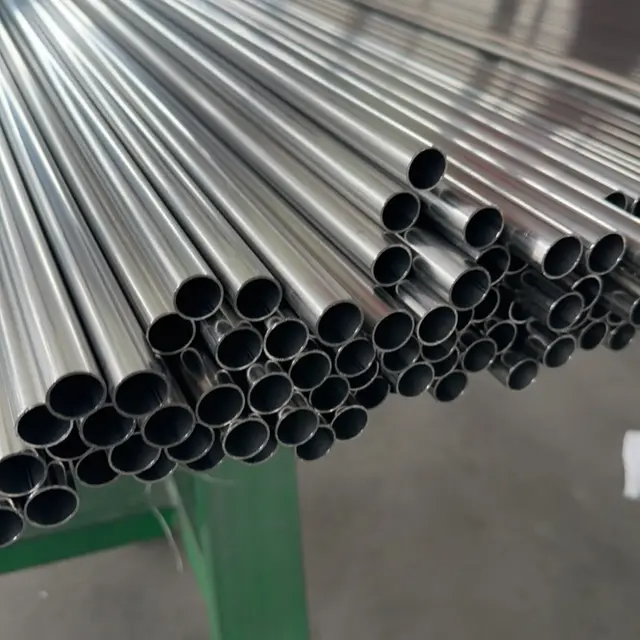
In supply chain optimization, reliability is not a single feature but a combination of consistent delivery, predictable lead times, accurate documentation, and adherence to technical standards. For Stainless Steel Pipe procurement, supplier performance directly influences a business’s ability to maintain stable inventory levels, avoid production downtime, and meet project delivery commitments. When a supplier provides dependable inventory support and allocation planning, the buyer can operate with reduced safety stock, freeing capital previously tied to warehousing overhead. Reliable suppliers also simplify internal workflow, as coordination demands, emergency resourcing, and expedited deliveries decrease significantly.
A committed stainless steel pipe supplier also engages in proactive communication. This includes forecasting changes in raw material markets, planned shutdowns, logistical disruptions, and evolving regional regulations that could impact pricing or availability. When issues surface early, manufacturers can adjust schedules, reforecast budgets, and divide purchase orders across multiple delivery intervals. Strong supplier reliability therefore becomes a foundational enabler for decision-making accuracy across the entire procurement and production cycle. Instead of reacting to disruptions, businesses gain the ability to operate strategically and predictably.
Quality is an operational cornerstone in Stainless Steel Pipe supply chains. Pipes that fail to meet required specifications can cause expensive downstream consequences—such as equipment failure, rework labor, compliance violations, or shutdown due to safety risks. Abrasion resistance, corrosion resistance, tensile strength, heat tolerance, chemical compatibility, and weldability can vary significantly among stainless steel grades and production methods. This makes it essential that suppliers follow recognized certifications and manufacturing standards.
| Certification | What It Covers |
|---|---|
| ISO 9001 | Quality management consistency and process control |
| ASTM/ASME | Stainless steel dimensional, material, and performance specifications |
| EN Standards | European compliance for manufacturing and structural performance |
| PED | Pressure equipment certification for high-pressure applications |
Reliable suppliers not only comply with these standards but document them fully, including mill test reports, quality control logs, and traceability data. The ability to trace every stainless steel pipe batch back to its raw material source is especially valuable for aerospace, food processing, marine, chemical, and pharmaceutical manufacturing where regulatory monitoring is strict. Detailed inspection reports, non-destructive testing data, and packaging integrity records ensure that every product arriving at the facility is ready for immediate deployment. The result is fewer quality disputes, fewer rework cycles, and an uninterrupted production queue.
Selecting the right stainless steel pipe supplier can streamline procurement workflows and shorten purchasing cycles. Efficient suppliers integrate digital ordering systems, structured quotation templates, automated inventory updates, and transparent pricing structures that eliminate unnecessary back-and-forth communication. When a supplier already understands the customer’s recurring demand patterns, standard sizing needs, delivery locations, or project domain, the administrative workload drops significantly.
By reducing human intervention in repetitive procurement steps, businesses benefit from:
Faster quote-to-order cycles
Improved order accuracy
Fewer data entry delays
Lower administrative labor costs
Automated document storage and retrieval
Suppliers who maintain wide product ranges—such as welded and seamless stainless steel pipe in 304, 316, 321, duplex, super duplex, and heat-resistant alloys—also improve procurement efficiency by eliminating the need to contact multiple vendors. Consolidating sourcing to a single or limited group of qualified partners cuts down on vendor management time and enhances purchasing negotiation capability. This increases buyer leverage in price contracting, annual purchasing agreements, and long-term delivery scheduling. Integrated procurement ultimately reduces hidden operational inefficiencies and builds smoother cross-department alignment between purchasing, production engineering, and logistics teams.
Production scheduling is only as reliable as the raw materials feeding it. Unpredictable delivery of stainless steel pipe leads to equipment idle time, costly emergency sourcing, extended labor hours, and disruption of downstream workflow. In contrast, a supplier with established delivery schedules and buffer inventory planning ensures that operations run according to the production department’s internal deadlines.
Reliable suppliers often provide:
Rolling delivery calendars aligned to production demand
Forward stocking inventory near customer locations
Core product availability guarantees
Multi-layer logistics planning to reduce transit risk
These features allow manufacturers to structure shift planning, outsource machining assignments, allocate fabrication labor, and optimize equipment utilization without operating in panic mode. Furthermore, reliable suppliers contribute data that enhances internal Material Requirements Planning (MRP) and Enterprise Resource Planning (ERP) accuracy. Forecasted lead times, historical delivery statistics, and monthly demand analytics increase the precision of internal planning and reduce the systemic waste of overordering.
| Factor | Poor Supply Stability | Reliable Supplier Performance |
|---|---|---|
| Production Scheduling | Frequent delays | Predictable, planned output |
| Workforce Allocation | Unplanned overtime | Stable labor planning |
| Material Costs | Expedited shipping surcharges | Controlled freight and inventory |
| Equipment Utilization | Down-time and underuse | Full operational output |
Ultimately, reliable stainless steel pipe suppliers do not just provide material—they become operational partners who widen planning visibility and protect the manufacturer’s ability to execute on time.
Cost reduction in stainless steel pipe sourcing is not solely about chasing the lowest unit price. Hidden costs, such as excess safety stock, rework due to inconsistent quality, chronic freight surcharges, or lost production time, can quickly make low-cost suppliers more expensive in real terms. Strategic supplier partnerships focus on restructuring total cost of ownership, including purchasing stability, lifecycle planning, and long-term resource optimization.
Key areas where reliable suppliers reduce cost:
Lower inventory holding costs
Reduced warehousing footprint
Less product loss from damage or non-conformity
Eliminated emergency resourcing premiums
Price advantages from annual volume contracts
Suppliers with accurate demand forecasting can also anticipate when market pricing rises due to nickel fluctuations, fuel surcharges, import taxes, or seasonal shipping congestion. Early notification allows buyers to modify purchasing strategy, secure forward contracts, or shift orders across quarters. Over time, businesses gain predictable financial performance and stronger negotiating power. Optimized cost control generates margin expansion without compromising production integrity, allowing companies to channel savings into innovation, workforce development, or capacity expansion.
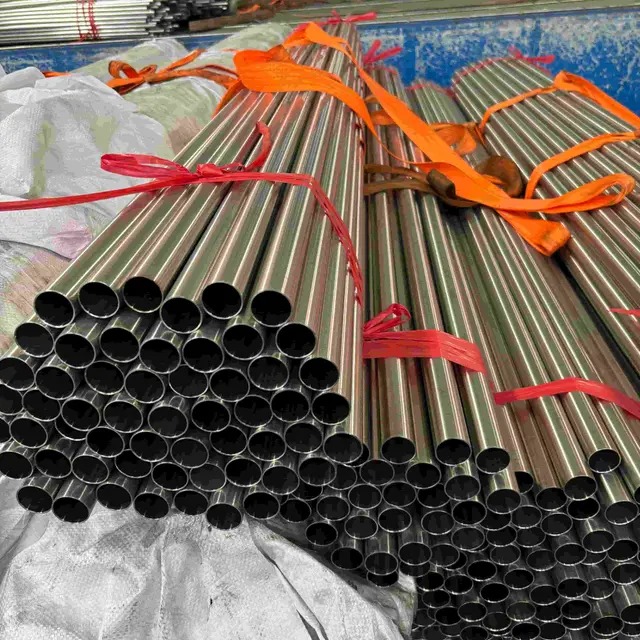
Digital transformation in the industrial supply chain is accelerating, and modern stainless steel pipe suppliers increasingly integrate digital systems to ensure transparency, accuracy, and speed. These systems allow real-time data sharing across purchasing, logistics, and production management.
Common digital features include:
Online order tracking portals
Electronic shipping notices
Automated invoicing and PO processing
Predictive demand dashboards
Real-time warehouse inventory visibility
The result is simplified internal communication. Purchasing managers can verify incoming shipment status without multiple phone calls, while production supervisors can confirm material allocation before scheduling labor or machine time. Furthermore, digital documentation systems centralize mill certificates, performance reports, compliance documents, and historical purchase data—reducing audit preparation workload and improving every stakeholder’s visibility.
The use of digital tools also supports better decision-making. When suppliers provide performance reporting—such as on-time delivery percentage, order accuracy rates, and forecast variance metrics—procurement managers can quantify supplier performance objectively. This data becomes the basis for supplier scorecards, periodic improvement meetings, and long-term supply chain optimization initiatives.
In industrial production environments, supply chain risk cannot be eliminated but can be significantly minimized with the right supplier partnerships. Risks often come from geopolitical restrictions, trade policy changes, severe weather disruptions, transport delays, raw material shortages, or rapid demand spikes in specific sectors. Reliable stainless steel pipe suppliers establish risk-mitigation structures that safeguard customer operations during such disruptions.
Typical stability mechanisms include:
Dual-facility manufacturing capability
Emergency warehousing and buffer stock
Diversified ocean and land freight routing
Multiple upstream raw material sources
Proactive notifications of potential disruptions
Some suppliers also participate in collaborative contingency planning. By sharing long-term customer demand forecasts, they can prepare stock allocations or introduce advanced shipping cycles to match peak project periods. When materials arrive consistently—even during external fluctuations—the buyer’s internal operations remain intact. This resilience reduces stress on procurement teams, prevents schedule overruns, and improves customer satisfaction at the project delivery end. Long-term partnerships foster mutual investment, continuous improvement, and structural reliability that grows stronger year after year.
Optimizing your supply chain with reliable stainless steel pipe suppliers transforms procurement from a reactive cost center into a proactive source of competitive advantage. High-quality suppliers deliver more than material—they provide planning stability, digital transparency, consistent regulatory compliance, long-term cost control, and collaborative risk management. Whether a business operates in construction, petrochemical processing, marine engineering, food manufacturing, pharmaceuticals, or heavy fabrication, its performance depends heavily on the certainty and quality of the materials it receives. By choosing stainless steel pipe suppliers who maintain strong supply chain discipline, industry expertise, documented quality standards, and forward-looking communication, organizations gain the operational efficiency required to maintain faster output, higher margins, and sustainable growth.
Supplier reliability ensures uninterrupted material flow, minimizing production downtime, emergency sourcing costs, and workflow disruption. Consistent suppliers improve planning accuracy and operational stability.
Common certifications include ISO 9001, ASTM/ASME, PED, and EN standards. These demonstrate manufacturing consistency, traceability, and performance reliability.
By minimizing freight premiums, rework losses, inventory overhead, and operational delays. Long-term suppliers can also support better price planning and volume contracting.
Yes. Digital tracking, automated documentation, and real-time inventory visibility greatly reduce communication overhead and enable faster, more informed decision-making.
Reliable suppliers provide stable lead times, predictive delivery schedules, and proactive risk communication, supporting uninterrupted production flow and consistent output.